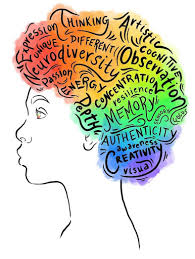
Over the past few years, neurodiversity has moved from the margins of workplace discussion into the mainstream.
A recent article published on Mondaq https://www.mondaq.com/australia/employee-rights-labour-relations/1729248/neurodiversity-in-the-workplace?utm_source=chatgpt.com provides a helpful overview of neurodiversity in the workplace, drawing attention to the growing recognition of neurodivergent employees and the need for inclusive practices. Building on those themes, this article explores the background to neurodiversity, the legal and practical context for Australian employers, and what meaningful inclusion looks like beyond policy statements.
What do we mean by neurodiversity?
Neurodiversity refers to the natural variation in how human brains work. It commonly includes people with autism, ADHD, dyslexia, dyspraxia, and other neurological differences.
In workplaces, neurodivergent employees may bring exceptional strengths: pattern recognition, creativity, deep focus, problem-solving, or innovative thinking. At the same time, they may experience challenges with traditional workplace norms, such as open-plan offices, rigid communication styles, or unstructured expectations.
Why this matters now
There are several reasons neurodiversity has become a pressing workplace issue:
- Changing workforce expectations – Employees increasingly expect inclusive cultures that recognise difference and provide flexibility.
- Skills shortages – Many neurodivergent people have high-demand skills, particularly in technical, analytical, and creative roles.
- Legal risk – Poorly managed workplaces can expose employers to discrimination, adverse action, and psychosocial safety risks.
In Australia, neurodivergent employees may be protected under disability discrimination laws, even if they do not identify as having a “disability” in everyday language. This means employers have positive obligations to avoid discrimination and make reasonable adjustments.
From compliance to culture
A common pitfall is treating neurodiversity purely as a compliance issue. While legal obligations are important, a tick-the-box approach rarely delivers positive outcomes.
Effective neurodiversity inclusion focuses on how work is designed and led. This includes:
- Recruitment and onboarding
Traditional recruitment processes often disadvantage neurodivergent candidates. Unstructured interviews, vague selection criteria, and heavy reliance on “cultural fit” can screen out capable applicants. Clear role requirements, alternative assessment methods, and transparent processes make a real difference. - Communication and performance management
Many neurodivergent employees thrive with clarity. Clear instructions, predictable feedback, and explicit expectations reduce stress and improve performance. Conversely, ambiguous feedback or reliance on unspoken norms can create unnecessary conflict. - Work environment and flexibility
Sensory overload, interruptions, or rigid work patterns can significantly impact neurodivergent workers. Simple adjustments – quiet spaces, flexible hours, written instructions, or assistive technology – can be low-cost and high-impact.
The link to psychosocial safety
Neurodiversity is also closely connected to psychosocial safety. Environments that are dismissive, inflexible, or poorly managed can exacerbate anxiety, burnout, and psychological injury. For leaders, this means neurodiversity should be considered when assessing psychosocial hazards and designing prevention strategies – not as a separate issue, but as part of good people management.
A note on the Mondaq article
The Mondaq article usefully highlights the growing recognition of neurodiversity and the importance of inclusive practices in modern workplaces. It reinforces an important message: awareness alone is not enough. Employers must translate understanding into practical systems, leadership capability, and day-to-day behaviours that support diverse ways of working.
Practical takeaways for employers
For Australian employers, the key question is not whether neurodiversity exists in your organisation – it does – but whether your systems allow people to perform at their best.
Start by asking:
- Do our policies and processes assume everyone works the same way?
- Are managers equipped to have constructive conversations about adjustments and support?
- Do our performance and conduct frameworks allow for difference without lowering standards?
How Winter Workplace Consulting can help
At Winter Workplace Consulting, we work with organisations to move beyond good intentions and into practical, legally sound action. This includes reviewing policies and people practices, training leaders to manage neurodivergent employees confidently and lawfully, and embedding neurodiversity into broader wellbeing and psychosocial safety strategies.
Done well, neurodiversity is not a “special initiative”. It is simply part of creating workplaces where people can perform, contribute, and stay well – and where businesses can genuinely benefit from the diversity of thinking already in their teams.
Molnar, C. J., & Felmingham, R. (2026, January 11). Neurodiversity in the workplace. Kennedys. Mondaq.